Oracy
Our Oracy Strategy sets out Nutgrove Methodist Primary School’s approach to developing oracy for every pupil. It defines oracy, summarises the research on why it matters, locates it in statutory guidance, and provides clear, practical commitments for whole-school and targeted delivery.
What is Oracy?
Oracy is the ability to communicate effectively using spoken language: to speak clearly and appropriately for a range of purposes and audiences, to listen actively and respond, and to use talk to learn, to influence and to participate as an agent in society.
(Model: We need to talk, 2024 – Oracy Commission)
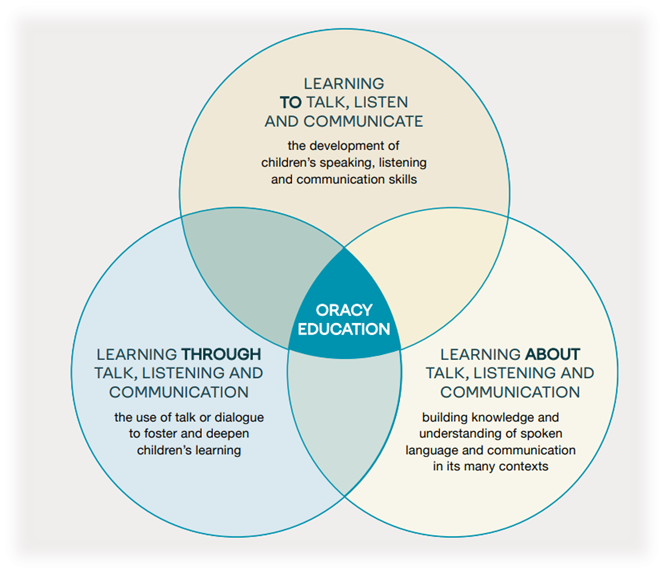
In line with the Voice 21 definition, oracy is not a single skill but a rich, teachable set of skills that enable pupils to express themselves with confidence, clarity and impact. It encompasses:
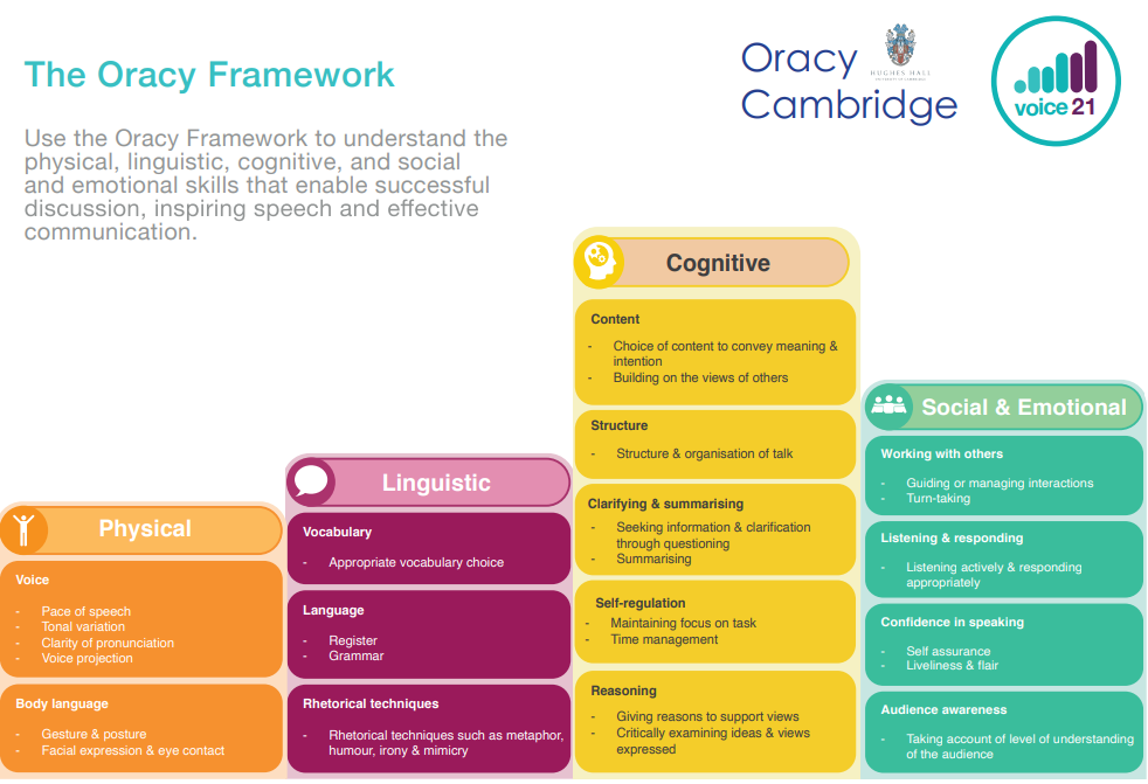
- Physical skills — using voice, gesture and posture effectively to engage others.
- Linguistic skills — selecting and shaping vocabulary, grammar and language structures to articulate ideas precisely.
- Cognitive skills — organising, sequencing and developing ideas, reasoning, questioning and building on others’ contributions.
- Social and emotional skills — listening attentively, taking turns, collaborating, empathising and respecting different viewpoints.
Together, these domains help pupils become confident communicators who can both learn through talk and use talk to make a difference beyond the classroom. Oracy is therefore central to academic success, personal development and active citizenship, and must be explicitly taught, modelled and practised across the curriculum.
At Nutgrove, we utilise Voice 21 Oracy Framework to support us.
 Below you can find our Oracy Strategy and Progression of Knowledge and Skills for Oracy: